24/7 black water extraction, sanitizing and structural drying statewide
Sewage Water Removal in Georgia, Done Right the First Time
Sewage Water Removal in Georgia means pulling contaminated black water out of your home, cutting out what can't be saved, and sanitizing every surface it touched. We run that job 24/7 across the state, from a 2 a.m. basement backup in Lawrenceville to a failed lift station in Kennesaw. Crews arrive with extraction pumps, truck-mount wet/dry vacuum units and anti-microbial spray, then dry the structure to IICRC S500 standards so mold never gets a foothold.
What Sewage Water Removal in Georgia Actually Involves
Sewage Water Removal in Georgia is the extraction, disposal and disinfection of Category 3 black water - the raw sewage that backs up through floor drains, toilets, washing machine lines and municipal laterals. It is not a shop vac job. Black water carries bacteria, viruses and parasites, so every affected material gets assessed: carpet, pad and drywall below the flood line come out, hard surfaces get scrubbed and treated with anti-microbial spray, and the cavity behind the wall gets dried with air movers and dehumidifiers until a moisture meter reads normal.
Georgia homes give sewage plenty of ways in. Clay-heavy soil across the Piedmont swells after a wet winter and shifts the lateral line; slab leaks under a 1970s ranch house in Ellenwood go unnoticed until the floor drain gurgles. Summer thunderstorms overwhelm municipal mains, and a sump pump failure during a January freeze turns a crawl space into a pit of standing water in under an hour. When that happens, 24/7 sewage water removal in Georgia matters more than price - every hour of contact pushes contamination deeper into framing and subfloor.
Every sewage job we run includes the full sequence: containment, extraction, removal of contaminated material, sanitizing, structural drying and documentation. What varies is how much material has to come out and how long the structure takes to dry. Here is what is standard on a Georgia sewage call.
01
✓
Emergency Extraction and Containment
We seal the affected area with plastic containment and negative air, then pull standing black water with a truck-mount extraction pump and wet/dry vacuum. Discharge goes to a lawful point, never a storm drain. A typical 500-square-foot flooded area extracts in two to three hours.
02
✓
Contaminated Material Removal
Category 3 water means porous material does not get saved. Carpet, pad, saturated drywall below the cut line and wet insulation come out, bagged and hauled to a permitted disposal site. We cut drywall two inches above the visible flood line to stop wicking.
03
✓
Anti-Microbial Treatment
Every exposed surface gets scrubbed and treated with EPA-registered anti-microbial spray. That includes the slab, the bottom plate, the framing cavity and any hard surface the water touched. This step is what separates a real sewage cleanup from a pump-and-pray job.
04
✓
Structural Drying with Verified Readings
We set Dri-Eaz and Phoenix Restoration Equipment dehumidifiers with B-Air air movers, then check progress daily with a moisture meter and thermal imaging camera. Drying to IICRC S500 targets usually takes three to five days on a Georgia slab home and longer in crawl spaces.
05
✓
Insurance Documentation
We photograph the loss, log the category of water, record daily moisture readings and hand your adjuster a documented scope. If your policy carries a water backup endorsement, that packet is what gets the claim approved instead of denied.
06
✓
Source Flagging and Referral
If the backup came from a collapsed PVC pipe, a failed sump pump or a cracked cast iron drain, we tell you plainly so your plumber fixes the cause. Cleaning up the water without fixing the source means you will be calling us again next spring.
How it works
How Our Sewage Cleanup Process Runs
You call (833) 640-1438 and describe what backed up and where. We ask about the source - toilet, floor drain, washing machine standpipe, municipal lateral - because that tells us the category of water before we roll. A crew is dispatched with extraction pumps and containment supplies. Typical arrival is 60 to 90 minutes in metro Atlanta, longer for outlying counties.
We seal the affected room with plastic containment and negative air so sewage dust does not migrate into clean living space. Standing water comes out with a truck-mount extraction pump and wet/dry vacuum, and we pull the flexible drain hose to a lawful discharge point - never the storm drain. A 500-square-foot flooded basement usually extracts in two to three hours.
Category 3 water means porous materials do not get saved. Carpet, pad, saturated drywall below the cut line, and insulation come out, bagged and hauled to a permitted disposal site. We cut drywall two inches above the visible flood line, which is the standard margin that keeps wicking moisture out of the framing.
Every exposed surface gets scrubbed and treated with anti-microbial spray. Then we set the drying system: dehumidifiers, air movers and, in crawl spaces, a vapor barrier check plus a sump pump liner inspection. A moisture meter and thermal imaging camera confirm the framing is dry, not just the surface. Most jobs dry in three to five days.
We take final moisture readings, photograph the dry structure, and give you a written summary with the equipment log. If a plumbing defect caused the backup - a collapsed PVC pipe, a failed sump pump, a cracked cast iron drain - we flag it so your plumber fixes the cause before the same thing happens next spring.
STEP 01Emergency Call
You call (833) 640-1438 and describe what backed up and where. We ask about the source - toilet, floor drain, washing machine standpipe, municipal lateral - because that tells us the category of water before we roll. A crew is dispatched with extraction pumps and containment supplies. Typical arrival is 60 to 90 minutes in metro Atlanta, longer for outlying counties.
Tools & methods
Tools and Methods We Use on Sewage Jobs
01
✓
Truck-Mount Water Extraction Pump
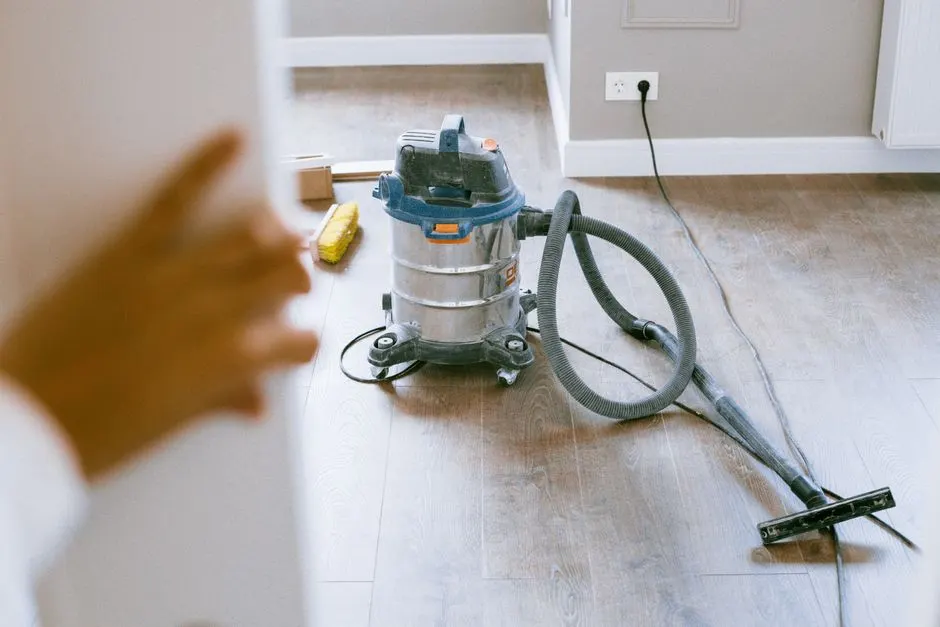
Pulls standing black water out of basements, crawl spaces and slab floors at volume. A 500-square-foot flooded area typically extracts in two to three hours with this setup.
02
✓
RIDGID and Shop-Vac Wet/Dry Vacuums
Detail extraction around toilet flanges, floor drains and cabinet toe kicks where a truck-mount hose cannot reach. Used after bulk water is already out.
03
✓
Dri-Eaz and Phoenix Restoration Equipment Dehumidifiers
Pull moisture out of the air so wet framing and subfloor can release water. Sized to the cubic footage of the affected space, not guessed.
04
✓
B-Air and XPower Air Movers
Drive airflow across wet surfaces to speed evaporation. Positioned to create a vortex across the floor and up the wall cavity, not just pointed at the puddle.
05
✓
Moisture Meter and Thermal Imaging Camera
Find water you cannot see behind drywall and under flooring, and verify the structure is actually dry before we pull equipment. This is the tool that decides when the job is done.
06
✓
DeWalt and Milwaukee Cordless Tools
Cut drywall at the flood line, open wall cavities for drying, and remove baseboards and trim without damaging the framing behind them.
Real results
Before and after.
Sewage Water Removal
Lawrenceville Basement Backup, 600 Sq Ft
A municipal main surcharged during a July storm and pushed sewage up through the basement floor drain. Two inches of black water covered 600 square feet of finished basement, soaking carpet, pad and the bottom 18 inches of drywall. The homeowner called at 11 p.m.
After: We extracted 600 square feet in under three hours, removed carpet, pad and saturated drywall, treated every surface with anti-microbial spray, and ran dehumidifiers and air movers for four days. Final moisture readings were dry across all framing. The rebuild was a single drywall and carpet job.
A sewage ejector pump failed during a January freeze and the pit overflowed into a 900-square-foot crawl space. Contaminated water soaked the vapor barrier and insulation and sat against the floor joists for two days before the homeowner noticed the smell.
After: We pumped the pit, extracted the standing water, removed contaminated vapor barrier and insulation, treated the joists and subfloor with anti-microbial spray, and dried the confined space with air movers and a dehumidifier. Five days later, moisture meter readings confirmed the framing was dry.
Tree roots cracked the lateral line under a 1975 ranch home, and sewage backed up into the basement floor drain for the third time in a year. Each prior backup had been snaked and forgotten. Carpet, pad and the bottom of the drywall were saturated.
After: We extracted, removed saturated carpet, pad and drywall, sanitized the slab and framing, and dried the basement in four days. We also flagged the cracked PVC section so the plumber could replace it the same week. No backup since.
Most sewage calls trace back to one of a handful of causes. Naming the cause early is what keeps a cleanup from turning into a rebuild - and what keeps it from happening again next season.
We contain the area, extract the black water, remove saturated material below the flood line, treat every surface with anti-microbial spray, and dry the structure to verified moisture readings. We also document the event for your city utility and your insurance adjuster.
↗02
Tree roots crack the lateral line
We extract and sanitize the affected area, then flag the cracked section so a licensed plumber can run a camera and replace the damaged PVC. Fixing the pipe is what stops the cycle - we handle the cleanup side.
↗03
Sump pump or ejector pump failure during a freeze
We pump the pit, extract the standing water, remove contaminated insulation and vapor barrier, treat the joists and subfloor, and dry the confined space with air movers sized for it. Most crawl space jobs dry in three to five days.
↗04
Slab leak or burst supply line near a drain
We locate the wet zone with a thermal imaging camera and moisture meter, extract, cut out saturated drywall, treat with anti-microbial spray, and dry. We also flag the slab leak so a plumber can isolate and repair the line.
↗
Proof you can check
Licensed, Certified and Documented
IICRC Water Damage Restoration Technician (WRT) · Institute of Inspection, Cleaning and Restoration Certification
IICRC Applied Structural Drying (ASD) · Institute of Inspection, Cleaning and Restoration Certification
EPA Lead-Safe Certification · U.S. Environmental Protection Agency
OSHA 10-Hour Construction Safety · Occupational Safety and Health Administration
Georgia Residential Contractor License · Georgia Secretary of State, Professional Licensing Boards
Customer reviews
What Georgia Homeowners Say
★★★★★
“Our washing machine standpipe backed up on a Sunday night and soaked the hallway and half the laundry room. The crew was here in about 75 minutes, contained the room, and had the water out before midnight. They cut out the wet drywall, sprayed everything, and ran dehumidifiers for four days. Final moisture readings were dry and the insurance adjuster took their paperwork without a single question.”
MT
Marcus T.Homeowner, Lawrenceville
✓ Verified
“
★★★★★
“Sump pump died during that January freeze and the crawl space filled up. I did not know it was sewage until the tech tested it. They pulled the contaminated insulation, treated the joists, and dried the whole space in five days. What I appreciated was the daily moisture readings - I could see it was actually getting dry instead of just taking their word for it.”
DR
Dana R.Homeowner, Kennesaw
✓ Verified
★★★★★
“A tree root cracked our lateral and sewage backed up into the basement floor drain. GA Water Remover Pros extracted, removed the saturated carpet and pad, and sanitized the slab. They also flagged the cracked PVC pipe so our plumber could replace it the same week. Total was right around what they quoted up front, no surprise line items at the end.”
PS
Priya S.Homeowner, Roswell
✓ Verified
Good questions
Frequently Asked Questions About Sewage Water Removal in Georgia
Most residential sewage water removal jobs in Georgia run $1,200 to $4,500 in 2026, with a typical single-bathroom backup landing near $2,000. Crawl space jobs and anything over 500 square feet push higher. The variables are square footage affected, how much drywall and flooring has to come out, and whether the structure needs more than three days of drying. We give you the scope and price before work starts.
We do. GA Water Remover Pros dispatches 24/7, including weekends and holidays, and a live person answers (833) 640-1438. Overnight calls are common - a sump pump failure at 2 a.m. or a toilet backup during a holiday gathering. Crews stage across metro Atlanta and the surrounding counties, so most addresses see a truck within 60 to 90 minutes.
Sudden and accidental sewage backup is usually covered only if your policy carries a water backup endorsement - standard HO-3 policies in Georgia typically exclude it. If you have the endorsement, we document the loss with photos, moisture readings and a category-of-water log so your adjuster can process the claim. Call your agent while we are extracting; that call is worth making early.
Get out of the affected area, kill power to the basement at the breaker if you can reach it safely, and do not run water anywhere in the house. Do not shop-vac it yourself - a standard wet/dry vacuum spreads aerosolized bacteria. Call (833) 640-1438 and stay out until we arrive. If the backup came from a municipal main, also call your city utility so they can document it.
Where we deliver this service
Cities We Serve for Sewage Water Removal in Georgia
GA Water Remover Pros runs sewage cleanup Georgia crews across the state, from the I-85 corridor through Cobb, Cherokee, Henry and Fayette counties and out to the smaller communities in between. Same dispatch desk, same IICRC-trained technicians, same documentation standard whether you are in a Lawrenceville subdivision or on a rural lot outside White. Here is how we cover the communities on this route.
Sewage sitting on your floor is a clock, not a mess. We answer 24/7, dispatch same-day across Georgia, and carry IICRC-certified crews on every truck. Call (833) 640-1438 and we will tell you what the job takes before we start.
Call (833) 640-1438 any hour of the day or night. A real dispatcher answers, gets your address, and sends the closest crew. If you would rather email, send photos and a description to info@gawaterremoverpros.com and we will call you back within 15 minutes.