24/7 Emergency Dispatch
A live dispatcher answers your call any hour, any day. A crew is dispatched with extraction pumps, wet/dry vacuums, and drying equipment already loaded. No waiting until morning, no callbacks to schedule.
When water is rising in your home, every minute counts. Our team delivers Flood Water Removal in Georgia around the clock, pulling standing water, drying structural cavities, and stopping the source before mold gets a foothold. We run flood water extraction in Georgia for basements, crawl spaces, and slab-on-grade homes, with same-day crews dispatched across the metro and beyond. One call and we're rolling.
Flood Water Removal in Georgia is the process of extracting standing water from a structure, stopping the source, and drying the building back to pre-loss moisture levels. It is not a shop vac job. We use truck-mounted extraction pumps, Dri-Eaz and Phoenix Restoration Equipment air movers, and commercial dehumidifiers to pull hundreds of gallons out of carpet, subfloor, and wall cavities. A moisture meter and thermal imaging camera tell us where the water actually went, not just where you can see it.
Georgia homes flood for reasons that have nothing to do with a river. A burst pipe behind a kitchen wall, a sump pump failure during a spring downpour, a slab leak under a hallway floor, or a sewage backup after heavy rain. We handle flood water cleanup Georgia homeowners call about at 2 a.m., and we handle the slow leaks that have been soaking a crawl space for weeks. Either way, the clock is running.
Every flood water removal job includes the core work: emergency response, source control, extraction, drying, and documentation. What varies is the scope of repairs and whether specialty equipment is needed. Here is what you can count on as part of the standard service.
A live dispatcher answers your call any hour, any day. A crew is dispatched with extraction pumps, wet/dry vacuums, and drying equipment already loaded. No waiting until morning, no callbacks to schedule.
We use a moisture meter and thermal imaging camera to find where water actually traveled, including inside walls and under floors. This step prevents us from missing hidden saturation that would turn into mold two weeks later.
Truck-mounted extraction pumps and commercial wet/dry vacuums remove standing water from carpet, hard flooring, and structural cavities. We use weighted extraction on carpet and route water outside through a flexible drain hose.
Air movers and commercial dehumidifiers are positioned based on moisture readings. We apply anti-microbial spray to wet framing and monitor daily until the structure reaches dry standard. Equipment stays as long as it takes.
Photos, moisture maps, thermal images, and daily drying logs compiled into a report you can send straight to your adjuster. We can also communicate directly with your carrier to answer scope questions.
You call (833) 640-1438 and talk to a real person, not a call center script. We ask what flooded, where, and whether the water is still coming in. Within minutes a crew is dispatched with extraction equipment already loaded. Most metro Atlanta addresses see a technician in 60 to 90 minutes.
We find where the water is coming from first. A thermal imaging camera and moisture meter map the spread, and we shut off the supply, reset the sump pump, or tarp the roof leak. This step takes 20 to 40 minutes and prevents us from pumping water out of a room that's still filling.
Truck-mounted extraction pumps and wet/dry vacuums pull standing water fast, typically 100 to 500 gallons on a residential job. We use weighted extraction on carpet and a flexible drain hose to route water outside. This is the loud, wet, satisfying part, and it usually runs one to three hours.
Air movers and commercial dehumidifiers go in next, positioned by moisture readings, not by habit. We apply anti-microbial spray to wet framing and set drying goals. Equipment stays three to five days on a typical job, and we check readings every 24 hours until the structure hits dry standard.
We take final moisture readings, photograph everything, and hand you a drying report you can send straight to your insurer. If any material stayed wet, it comes out. We don't close a job until the meter says dry and you've walked the space with us.
You call (833) 640-1438 and talk to a real person, not a call center script. We ask what flooded, where, and whether the water is still coming in. Within minutes a crew is dispatched with extraction equipment already loaded. Most metro Atlanta addresses see a technician in 60 to 90 minutes.
Pulls hundreds of gallons of standing water fast from carpet, hard flooring, and structural cavities. Far more powerful than any rental unit and the core of every extraction job.
High-velocity air movers that evaporate moisture from wet surfaces so dehumidifiers can capture it. Positioned by moisture readings, not by habit.
Pull moisture out of the air so wet materials can dry. We run LGR units that work in cooler temperatures, which matters for Georgia winter pipe bursts.
Find water where you can't see it, inside walls, under floors, and in ceiling cavities. These two tools drive every decision we make about where to dry and what to remove.
For tight spaces and final pickup where a truck mount can't reach. The drain hose routes water outside without dragging buckets through your house.
Applied to wet framing and structural surfaces after extraction to inhibit mold growth during the drying window. Standard on every job where water sat more than a few hours.
A supply line burst in an upstairs wall overnight. Water ran through the ceiling into the living room below, soaking carpet, drywall, and insulation. The homeowner found it at 6 a.m. with standing water across 400 square feet.
After: We extracted 180 gallons, removed saturated drywall and insulation, and ran drying equipment for four days. Final moisture readings hit dry standard, and the pipe was repaired the same visit. Total job: five days from call to sign-off.
Book this service →
A spring storm knocked out power for six hours, and the sump pump never came back on. The finished basement took on four inches of water, soaking carpet, baseboards, and the bottom two feet of drywall.
After: We extracted 320 gallons, removed the wet carpet and baseboards, and dried the concrete and framing over five days. The pump was replaced with a battery-backup unit. Moisture readings confirmed dry standard before we pulled equipment.
Book this service →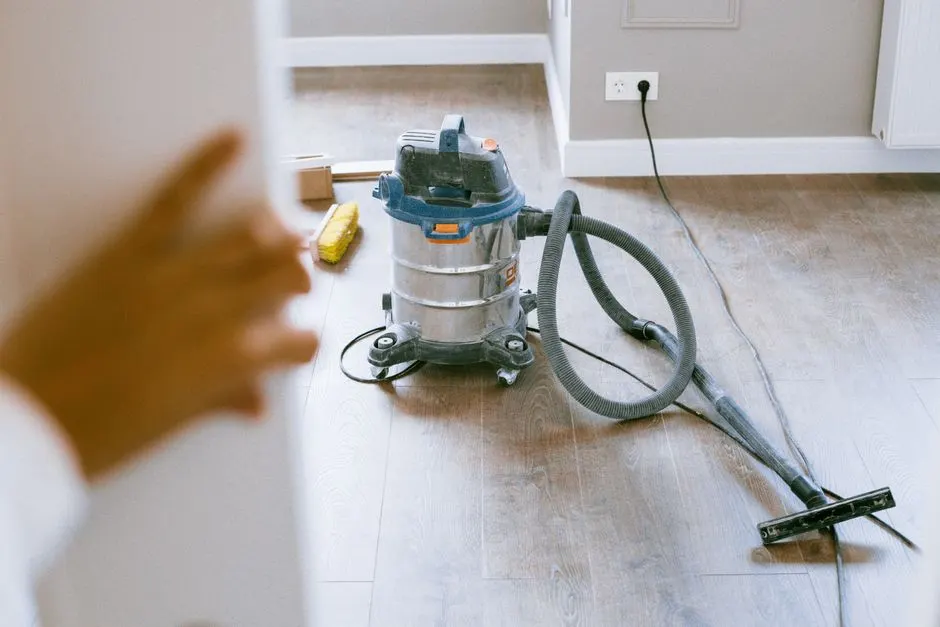
A main line clog sent sewage back into a ground-floor bathroom and hallway. Category 3 water contaminated tile, drywall, and a vanity. The tenant called the property manager, who called us at 9 p.m. on a Saturday.
After: We extracted the water, removed all contaminated porous materials, applied anti-microbial spray, and dried the structure over four days. The documentation package went straight to the owner's insurer, and the claim cleared without a dispute.
Book this service →Water damage shows up in a lot of forms, and each one needs a different approach. Here are the problems we handle most often across the state.
Ask a pro →We extract the water, use a thermal imaging camera to trace the entry point, and address the drainage or foundation issue causing the pooling. Then we dry the structure to standard and document everything for your claim.
We extract the water, dry the basement, and diagnose the pump failure, whether it's a dead motor, a stuck float, or a frozen discharge line. We can replace the pump and check the sump pump liner before we leave.
We shut off the supply, open the wall, extract the water, and dry the cavity. Our state-licensed plumbing contractor repairs the failed pipe with copper or PVC pipe, and we close the wall back up after it's dry.
We extract, remove contaminated materials, apply anti-microbial spray, and dispose of waste to Georgia code. Our crews are trained on category 3 handling, and we document the scope so your insurer sees exactly what was removed and why.
“A pipe burst in our upstairs wall at 11 p.m. and water was coming through the ceiling by midnight. GA Water Remover Pros had a crew at the house in about an hour. They pulled the water, set up drying equipment, and fixed the pipe the next morning. The ceiling repair was way less than I expected because they got to it so fast.”
Marcus T.Homeowner, Buford
✓ Verified“Our basement flooded after a big storm and the sump pump just quit. They extracted everything, dried it out over four days, and replaced the pump. What I appreciated most was the daily moisture readings and the report they sent my insurance company. The claim went through without a single argument.”
Denise R.Homeowner, Decatur
✓ Verified“We manage several rental units and had a sewage backup at one of them on a Saturday. They handled the extraction, removed the contaminated flooring, and documented everything for the owner. Professional, fast, and they knew exactly what code required for category 3 water. We use them for all our properties now.”
Kevin S.Property Manager, Atlanta
✓ VerifiedMost residential flood water removal jobs in Georgia run $1,200 to $4,500 in 2026, with small single-room extractions starting around $500 and full-basement jobs with drying equipment running higher. Square footage, water category, and how long the water sat all move the number. Clean supply-line water costs less than sewage backup. We quote before we start, so you know the figure up front.
GA Water Remover Pros does, 24 hours a day, seven days a week, statewide. Call (833) 640-1438 and a dispatcher answers live. We run overnight and weekend crews because most flooding happens outside business hours. Metro Atlanta addresses typically see a technician within 60 to 90 minutes of the call.
Standing water is usually gone within one to three hours of arrival on a typical residential job, depending on volume and how much has soaked into flooring. Structural drying takes longer, usually three to five days with air movers and dehumidifiers running. We check moisture readings every 24 hours and don't pull equipment until the structure hits dry standard.
Yes, when it's done within 24 to 48 hours. Mold can start colonizing wet drywall and framing in as little as 24 hours in Georgia's humid climate. Fast extraction plus anti-microbial spray and proper drying removes the moisture mold needs. If water sat longer than two days, we inspect for existing growth and address it as part of the job.
Our crews cover flood water extraction across Georgia, from the north metro down through the south side and out to the eastern counties. Whether you're in a Buford subdivision, an intown Atlanta bungalow, or a Forest Park rental, we have a crew that knows the area and can be at your door today. Here are some of the communities we serve most often.
Buford's clay soil and newer subdivisions mean sump pump failures and foundation seepage are common. We extract, dry, and address the drainage so the next storm doesn't flood you again.
↗ 02 AcworthAcworth homes near Lake Allatoona see storm-driven flooding and crawl space saturation. Our crews handle extraction and drying for both, with equipment sized for tight crawl spaces.
↗ 03 AtlantaIntown Atlanta's older housing stock means burst pipes, slab leaks, and aging supply lines. We run EPA Lead-Safe practices on pre-1978 homes and handle everything from single-room extractions to multi-unit flooding.
↗ 04 DecaturDecatur's tree canopy and older homes bring roof leaks and basement flooding. We extract, dry, and repair the source, whether it's a failed supply line or foundation seepage.
↗ 05 Holly SpringsHolly Springs sits on clay soil that pushes water against foundations during heavy rain. We handle basement and crawl space flooding and can address drainage issues that cause repeat problems.
↗ 06 Pine LakePine Lake's small, older homes often have finished basements that flood from foundation seepage. We extract the water, dry the space, and check for the entry point so it doesn't happen again.
↗ 07 TuckerTucker's mix of mid-century homes and newer construction means everything from burst galvanized pipes to sump pump failures. We carry equipment for both and repair the source in-house.
↗ 08 Forest ParkForest Park's slab-on-grade construction means slab leaks and sewage backups are frequent. We handle both with the same crew and document everything for your insurance claim.
↗ 09 OxfordOxford's older homes and proximity to the Alcovy River make storm flooding and crawl space saturation common. We extract, dry, and can install vapor barriers to keep ground moisture out.
↗ 10 KingstonKingston's rural setting and older housing stock mean well system failures and frozen pipe bursts. We extract, dry, and repair the source, with overnight crews during cold snaps.
↗Water damage gets worse every hour it sits. Our crews are on call 24/7, licensed, insured, and ready to roll with extraction equipment already loaded. Call (833) 640-1438 and we'll get a technician headed your way.
Call Now (833) 640-1438 →Call (833) 640-1438 any hour of the day or night. A real dispatcher answers, gets your address, and sends the closest crew. If you would rather email, send photos and a description to info@gawaterremoverpros.com and we will call you back within 15 minutes.