Water Extraction and Pump-Out
Bulk water removal with a water extraction pump and flexible drain hose, followed by wet/dry vacuum passes on the shallow areas. A typical residential basement is down to damp concrete in two to four hours.
Basement Water Removal in Georgia means getting standing water out of your lower level fast, then drying the slab, framing, and air so mold never gets a foothold. We run 24/7 basement water removal in Georgia for slab leaks, burst pipes, sump pump failure, and sewage backup. Our IICRC-trained crews pull water, meter the moisture, and hand you a dry basement.

Basement Water Removal in Georgia is the process of pumping, extracting, and drying water that has entered a below-grade space, then finding and correcting the source so it does not come back. It starts with a water extraction pump or truck-mount unit pulling the bulk of the water, followed by wet/dry vacuum passes and a moisture meter survey of the slab, baseboards, and framing. From there, dehumidifiers and air movers run until the readings match a dry standard, not until the floor just looks dry.
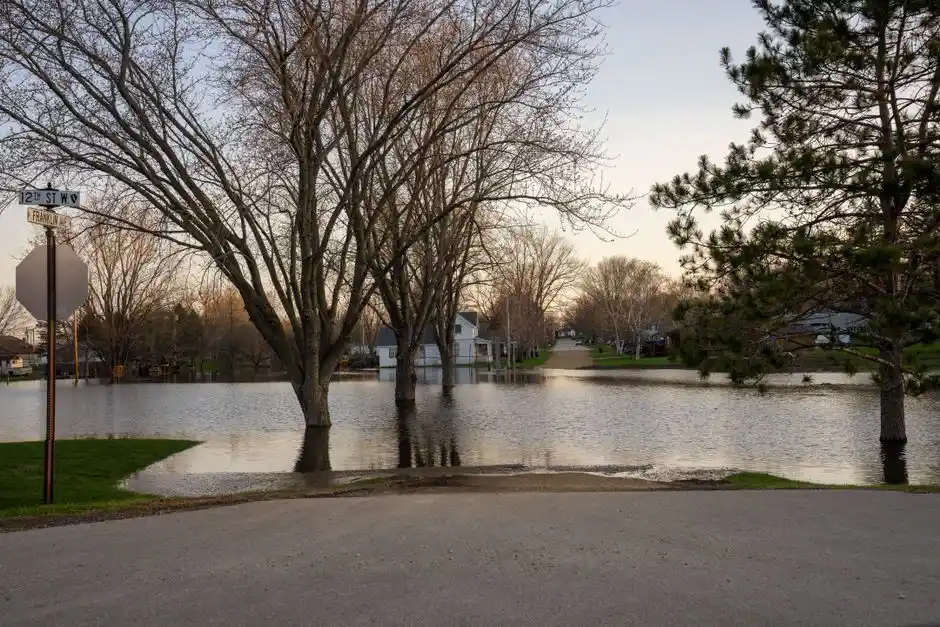
Georgia basements flood for reasons that repeat across the state: a slab leak under the floor, a burst pipe behind a finished wall, a frozen pipe that splits in a January cold snap, sump pump failure during a spring downpour, or a sewage backup after heavy rain overwhelms the lateral line. A wet basement water removal Georgia job is not finished when the puddle is gone. Water wicks into concrete and framing, so we run a hydrostatic pressure test kit and thermal imaging camera to confirm the source before we pack up.
Every job includes the full extraction and drying package. What varies is how much equipment and how many days it takes, and we tell you that upfront before we start.
Bulk water removal with a water extraction pump and flexible drain hose, followed by wet/dry vacuum passes on the shallow areas. A typical residential basement is down to damp concrete in two to four hours.
A moisture meter and thermal imaging camera survey of the slab, baseboards, and framing, plus a hydrostatic pressure test kit check when water is pushing up through the floor. This is how we find the source instead of guessing.
Dehumidifiers and air movers placed to dry the slab, framing, and air. We run Dri-Eaz and Phoenix Restoration Equipment units and check readings daily. Drying usually takes 24 to 72 hours.
Anti-microbial spray applied to any area that saw contaminated water, including sewage backup and long-standing standing water. This is standard on every job where the water was not clean, and it is not an add-on.
Final moisture readings compared against the dry standard for your materials, delivered in writing. If a sump pump was replaced, we confirm it cycles correctly before we leave. You get the log for your records or your claim.
You call (833) 640-1438 and describe what you see: how deep the water is, whether it smells like sewage, and whether the source is still running. We ask the questions that decide what equipment rolls first, then dispatch. Most calls inside the metro get a crew same day, and true emergencies get priority.
Before any pump goes in, we shut off the water feed if a supply line is the culprit and check for electrical hazards near standing water. A moisture meter and thermal imaging camera map how far the water has traveled. This step usually takes 15 to 30 minutes and prevents us from pumping water that is still flowing in.
We pull bulk water with a water extraction pump and flexible drain hose, then finish the shallow stuff with a wet/dry vacuum. A typical residential basement takes two to four hours to get down to damp concrete. If the water is contaminated from a sewage backup, we treat the area with anti-microbial spray before drying.
Dehumidifiers and air movers go in once the standing water is gone. We run them 24 to 72 hours depending on how much water soaked into the slab and framing, checking readings daily. You will hear the equipment running, and that is normal. We do not pull it early to save a day.
We take final moisture readings and compare them to the dry standard for your materials. If a sump pump failed, we confirm the replacement is cycling correctly before we leave. You get the readings in writing, plus a short list of what to watch over the next two weeks.
You call (833) 640-1438 and describe what you see: how deep the water is, whether it smells like sewage, and whether the source is still running. We ask the questions that decide what equipment rolls first, then dispatch. Most calls inside the metro get a crew same day, and true emergencies get priority.
Pulls bulk standing water out of a basement fast, often hundreds of gallons in the first hour. Truck-mount and portable units depending on access.
Finishes the shallow water the pump cannot reach, including low spots and the edges of the slab where water pools.
Pulls moisture out of the air so the slab and framing can dry. Runs continuously for 24 to 72 hours on a typical job.
Circulates air across wet surfaces to speed evaporation. Placement matters more than the count, so we map airflow before setting them.
Finds water you cannot see, including inside walls and under flooring. This is how we confirm the structure is dry instead of just looking dry.
Confirms whether water is being pushed up through the slab by ground pressure, which changes the fix entirely.
A failed sump pump left four inches of standing water across a finished basement in Duluth. Carpet was saturated, the bottom two feet of drywall were wet, and the homeowner had already started pulling up carpet by hand.
After: We extracted the water in about three hours, set up dehumidifiers and air movers for 72 hours, and replaced the pump on a new liner. Final moisture readings matched the dry standard. The carpet was saved; only the bottom of the drywall needed replacement.
Book this service →
A slab leak in a Redan home had been soaking the basement floor for weeks. The carpet smelled musty, the baseboards were swelling, and two plumbers had failed to find the source.
After: A thermal imaging camera located the leak in about 20 minutes. We extracted the water, dried the slab and framing over three days, applied anti-microbial spray, and repaired the line. Moisture readings confirmed the slab was dry.
Book this service →
Heavy rain overwhelmed the lateral line in Locust Grove and sewage backed into the basement. Contaminated water covered the floor and soaked the bottom of the drywall and carpet pad.
After: We extracted the contaminated water, applied anti-microbial spray, removed and disposed of the ruined carpet and pad, and dried the structure over four days. Full documentation went to the homeowner's insurance adjuster.
Book this service →Most Georgia basement water calls fall into a handful of categories. Here is what each one looks like and what ignoring it costs you.
Ask a pro →We extract the water, then use a moisture meter and thermal imaging camera to trace where it entered. Often it is a failed drain line, a window well, or grading that pushes water against the foundation. We fix the path, not just the puddle.
We extract the standing water, dry the structure, then check the pump, liner, and discharge line. If the pump is undersized or the liner is cracked, we replace it with a properly sized unit so the next storm is handled.
A hydrostatic pressure test kit confirms the diagnosis. We extract and dry, then address the source with a vapor barrier or drainage correction depending on what the test shows. This is the one problem that will not fix itself.
We extract the contaminated water, apply anti-microbial spray, remove and dispose of ruined porous materials, and dry the structure. We document everything for your insurance claim.
“Sump pump quit during a storm and I had four inches in the basement by morning. They had a crew out before noon, pulled the water, and set up dehumidifiers for three days. The moisture readings at the end matched what they showed me at the start. Replaced the pump too. No repeat flooding since.”
Marcus T.Homeowner, Duluth
✓ Verified“We had a slab leak that nobody could find. Their tech used a thermal camera and found it in about twenty minutes. Extracted the water, dried the finished basement, and repaired the line. The insurance adjuster said the documentation was the cleanest he had seen all year.”
Angela R.Homeowner, Dunwoody
✓ Verified“Sewage backup after heavy rain. They treated it like the contaminated water it was, not just a mop job. Anti-microbial spray, hauled off the ruined carpet, dried everything. Honest about what insurance would and would not cover. I would call them again without hesitation.”
Derrick W.Homeowner, Locust Grove
✓ VerifiedMost residential jobs run $350 to $1,800 in 2026, depending on how much water there is and how far it spread. A shallow extraction with a couple of dehumidifiers sits at the low end. Sewage backup cleanup, finished basements, and multi-day drying push toward the top. We quote before we start, so you know the number before any equipment comes off the truck.
We do, 24 hours a day. Call (833) 640-1438 and a live dispatcher triages the call, then sends a crew with a water extraction pump, wet/dry vacuum, and drying equipment. Emergency basement water cleanup Georgia calls get priority over routine scheduling, and most metro Atlanta addresses see a crew the same day.
Water pushing up through a concrete slab usually means hydrostatic pressure, a slab leak, or a failing drain line under the floor. Georgia's clay-heavy soil holds water, so after a heavy rain the ground water table rises and finds the path of least resistance. A hydrostatic pressure test kit and thermal imaging camera tell us which one you are dealing with.
It depends on the cause. Sudden events like a burst pipe or a failed water heater are usually covered. Long-term seepage, poor drainage, and neglected maintenance typically are not. We document everything with moisture readings and photos so your adjuster has what they need, and we can talk through what your policy likely covers before you file.
Basement water extraction services Georgia homeowners rely on are only useful if the crew actually covers your area. We run trucks across the state, from the north Georgia foothills down through metro Atlanta and out to the eastern counties. Same equipment, same documented drying process, same 24/7 dispatch, whether you are in a Duluth subdivision or a rural property outside Ball Ground.
Sump pump failures and storm backups are the most common calls here. We extract, dry, and replace failed pumps with properly sized units on new liners.
↗ 02 ClarkdaleOlder homes with original drain lines and unsealed crawl spaces. We trace the source, extract the water, and dry the structure to documented standards.
↗ 03 Ball GroundSloped lots and heavy runoff push water against foundations. We handle extraction, drying, and grading-related drainage corrections.
↗ 04 DunwoodyMature trees and root-infiltrated drain lines cause recurring backups. We extract, dry, and document the line failure for repair.
↗ 05 Locust GroveNewer construction with finished basements. Carpet and drywall absorb water fast, so same-day extraction matters most here.
↗ 06 RedanSlab leaks and aging plumbing are common. Our thermal imaging camera locates the source, and we repair the line after drying.
↗ 07 WaleskaRural properties on well and septic systems. A failed line can back water into the lowest level, and we handle both the water and the source.
↗ 08 LovejoyStorm-driven flooding and sump pump overload. We extract fast, dry the structure, and check pump sizing before we leave.
↗ 09 TempleWest Georgia homes where winter freezes split uninsulated pipes. We extract, dry, repair the line, and insulate it against the next freeze.
↗ 10 RydalNorth Georgia properties with clay soil and poor drainage. Hydrostatic pressure testing confirms the source, and we dry to documented standards.
↗Call (833) 640-1438 and a live dispatcher will triage your basement in under two minutes. We are licensed, insured, and on call 24/7 across Georgia. The sooner we pull the water, the less you replace.
Call Now (833) 640-1438 →Call (833) 640-1438 any hour of the day or night. A real dispatcher answers, gets your address, and sends the closest crew. If you would rather email, send photos and a description to info@gawaterremoverpros.com and we will call you back within 15 minutes.